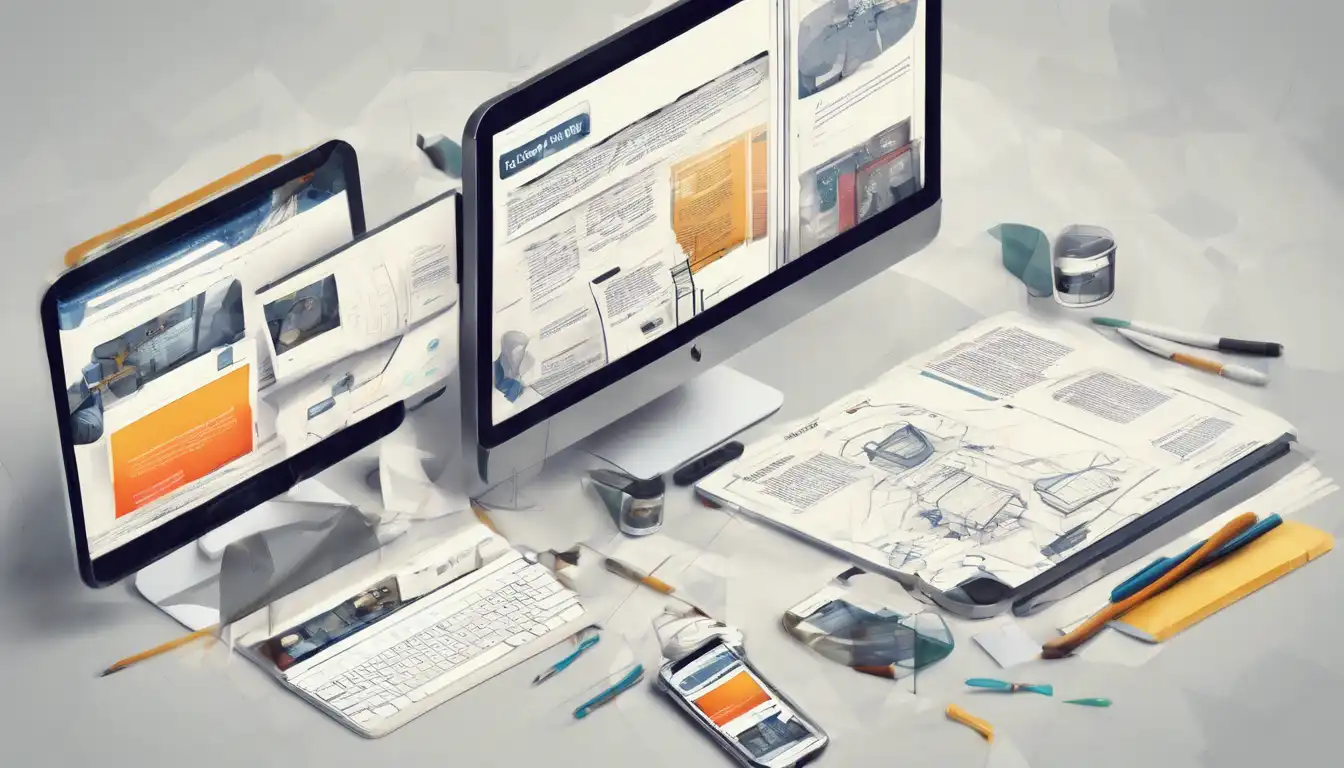
Understanding Responsive Web Design
In today's digital age, having a website that looks great on any device is not just an option—it's a necessity. Responsive web design ensures that your site adapts seamlessly to the screen size of smartphones, tablets, laptops, and desktop computers. This approach improves user experience, boosts your SEO rankings, and increases the likelihood of converting visitors into customers.
Why Responsive Design Matters
With over half of global web traffic coming from mobile devices, a responsive website is critical for reaching your audience effectively. Search engines like Google prioritize mobile-friendly websites in their search results, making responsive design a key factor in your SEO strategy.
Key Components of a Responsive Website
Building a responsive website involves several key components that work together to create a flexible and adaptable user interface. Here are the essentials:
- Fluid Grids: Layouts that use percentages for widths instead of fixed pixels.
- Flexible Images: Images that resize within their containing elements.
- Media Queries: CSS techniques that apply different styling rules based on the device's characteristics.
Step-by-Step Guide to Building Your Responsive Website
Follow these steps to ensure your website is fully responsive and provides an optimal viewing experience across all devices.
- Start with a Mobile-First Approach: Design for the smallest screen first and then scale up.
- Use Responsive Frameworks: Frameworks like Bootstrap can simplify the development process.
- Implement Media Queries: Adjust your site's layout based on the device's screen size.
- Test on Multiple Devices: Ensure your website looks good on as many devices as possible.
Optimizing for Performance
A responsive website must not only look good but also perform well. Optimizing images, leveraging browser caching, and minimizing CSS and JavaScript can significantly improve your site's loading times, further enhancing user experience and SEO.
Final Thoughts
Creating a responsive website is an investment in your online presence. By focusing on fluid layouts, flexible images, and media queries, you can build a site that meets the needs of today's diverse device landscape. Remember, the goal is to provide a seamless experience for all users, regardless of how they access your site.
For more insights into web design and development, explore our web design tips section.