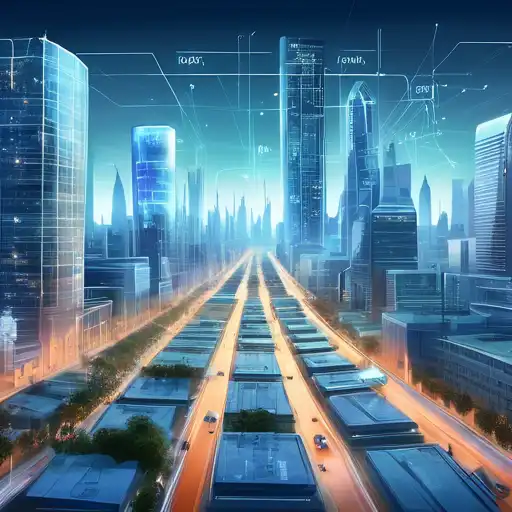
Introduction to IoT and Smart Cities
The Internet of Things (IoT) is revolutionizing the way cities operate, making them smarter and more efficient. By connecting devices and systems across urban areas, IoT technology enables real-time data collection and analysis, leading to improved public services, reduced environmental impact, and enhanced quality of life for residents.
Key Areas Where IoT is Making an Impact
From traffic management to waste disposal, IoT is at the forefront of urban innovation. Below are some of the key areas where IoT is making a significant difference:
- Traffic and Transportation: IoT sensors and smart traffic lights optimize traffic flow, reducing congestion and pollution.
- Energy Management: Smart grids and meters help in efficient energy use, lowering costs and carbon footprints.
- Public Safety: Surveillance cameras and sensors enhance security and emergency response times.
- Waste Management: Smart bins and collection routes improve cleanliness and efficiency.
Benefits of IoT in Urban Development
The integration of IoT into city infrastructure brings numerous benefits, including:
- Enhanced efficiency in public services
- Reduced operational costs for city administrations
- Improved sustainability and environmental protection
- Greater citizen engagement and satisfaction
Challenges and Considerations
Despite its advantages, the deployment of IoT in smart cities faces challenges such as data privacy concerns, high implementation costs, and the need for robust cybersecurity measures. Addressing these issues is crucial for the successful adoption of IoT technologies.
Future Prospects
The future of smart cities looks promising, with IoT playing a pivotal role in urban planning and development. Innovations like autonomous vehicles and AI-powered analytics are set to further transform urban landscapes, making cities more livable and sustainable.
For more insights into how technology is shaping our future, explore our technology trends section.
Conclusion
IoT is undeniably making cities smarter by enhancing efficiency, sustainability, and quality of life. As technology evolves, the potential for IoT to revolutionize urban living is limitless. Embracing these changes will require collaboration between governments, businesses, and citizens to ensure a seamless transition into the smart cities of the future.