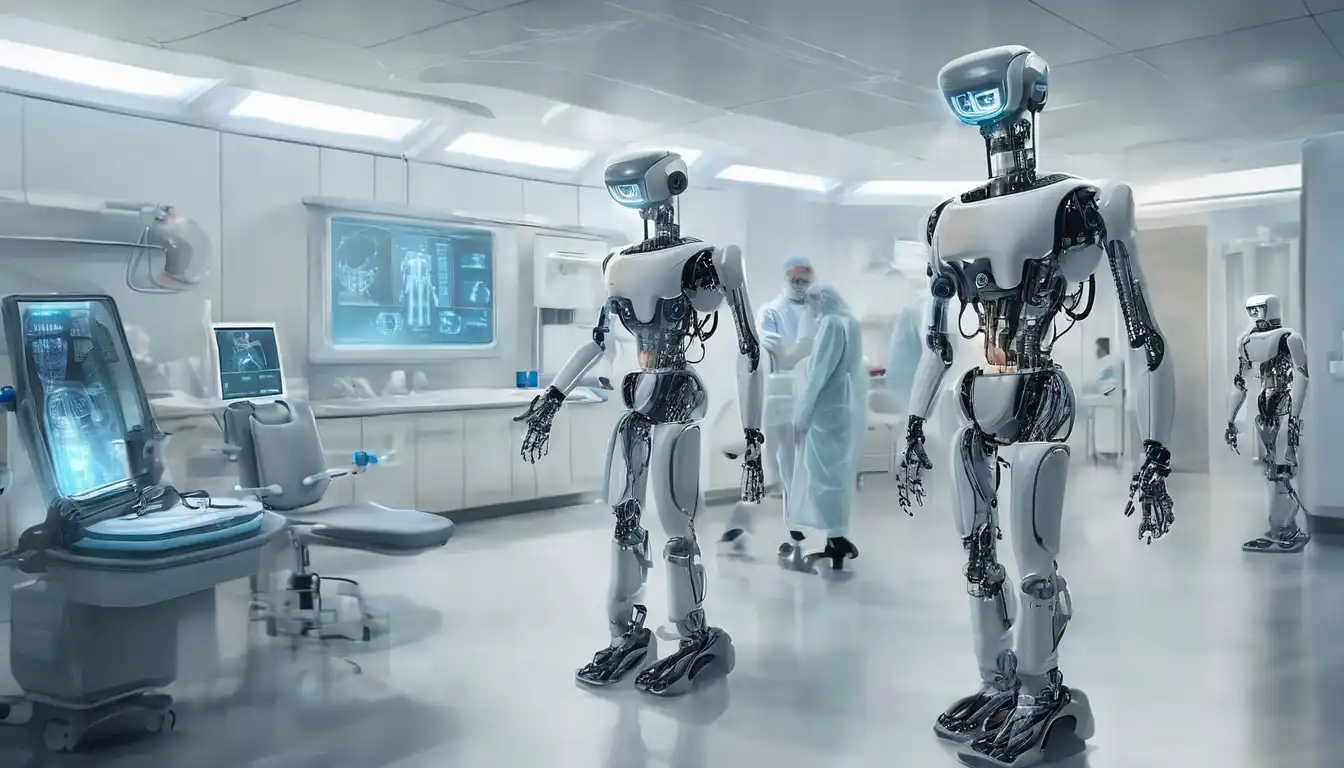
The Next Era of Robotics in Healthcare
The integration of robotics into healthcare is transforming patient care, surgical procedures, and rehabilitation processes. This technological advancement is not just a glimpse into the future; it's a present reality that's reshaping the medical field. From robotic-assisted surgeries to automated patient monitoring systems, the potential for robotics in healthcare is boundless.
Robotic-Assisted Surgeries: Precision and Efficiency
One of the most significant contributions of robotics in healthcare is in the realm of surgery. Robotic-assisted surgeries allow for unparalleled precision, reducing human error and improving patient outcomes. Surgeons can perform complex procedures with more control and flexibility, leading to shorter recovery times and less postoperative pain for patients.
Automated Patient Monitoring Systems
Another area where robotics is making a mark is in patient monitoring. Automated systems can track patient vitals around the clock, alerting healthcare providers to any changes that may require immediate attention. This not only enhances patient safety but also alleviates the workload on medical staff, allowing them to focus on more critical tasks.
Rehabilitation Robotics: A New Hope for Recovery
Rehabilitation robotics is offering new hope for patients recovering from strokes, spinal cord injuries, and other conditions that affect mobility. These robotic devices support patients in regaining strength and mobility, providing personalized therapy sessions that adapt to the patient's progress.
The Future of Robotics in Healthcare
The future of robotics in healthcare is bright, with ongoing research and development paving the way for more innovative applications. From nanorobots that can deliver drugs directly to diseased cells to robotic exoskeletons that enable paraplegics to walk, the possibilities are endless. As technology continues to evolve, so too will the role of robotics in enhancing patient care and improving health outcomes.
For more insights into how technology is transforming healthcare, explore our articles on medical technology and innovation in healthcare.
Challenges and Considerations
Despite the promising advancements, the integration of robotics into healthcare is not without its challenges. High costs, ethical considerations, and the need for specialized training are just a few of the hurdles that need to be addressed. However, with continued investment and research, these challenges can be overcome, making robotics an integral part of healthcare delivery.
In conclusion, the future of robotics in healthcare is not just about technological innovation; it's about creating a more efficient, effective, and compassionate healthcare system. As we move forward, it's essential to balance the benefits of robotics with the human touch that lies at the heart of patient care.