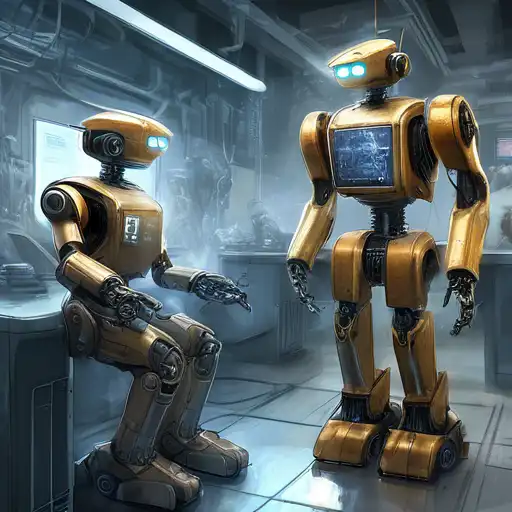
The Moral Dilemmas of Autonomous Robots
In the rapidly evolving world of technology, autonomous robots have become a cornerstone of innovation. These self-operating machines, powered by artificial intelligence (AI) and machine learning, are transforming industries, from manufacturing to healthcare. However, as their capabilities expand, so do the ethical questions surrounding their use and impact on society.
Understanding Autonomous Robots
Autonomous robots are machines that can perform tasks without human intervention. They are equipped with sensors, AI, and other technologies that allow them to perceive their environment, make decisions, and execute actions. While these robots offer numerous benefits, including increased efficiency and safety, they also raise significant ethical concerns.
Key Ethical Concerns
The deployment of autonomous robots brings to light several moral dilemmas. Below are some of the most pressing issues:
- Accountability: Who is responsible when an autonomous robot causes harm? The lack of clear accountability frameworks complicates legal and ethical responses to accidents or malfunctions.
- Privacy: Robots equipped with surveillance capabilities can intrude on personal privacy, raising concerns about data collection and consent.
- Employment: The automation of jobs by robots could lead to significant job displacement, challenging societal norms around work and livelihood.
- Decision-making: The algorithms that guide robots' decisions may contain biases, leading to unfair or discriminatory outcomes.
Navigating the Ethical Landscape
Addressing these ethical concerns requires a multidisciplinary approach. Stakeholders, including technologists, ethicists, policymakers, and the public, must collaborate to establish guidelines and regulations that ensure the responsible development and use of autonomous robots. Key steps include:
- Developing transparent AI systems that allow for accountability and understanding of decision-making processes.
- Implementing robust data protection measures to safeguard privacy.
- Creating social safety nets to support workers displaced by automation.
- Ensuring diversity in AI development teams to minimize biases in algorithms.
The Future of Autonomous Robots
As autonomous robots become more integrated into our daily lives, the ethical considerations will only grow more complex. It is imperative that we address these issues proactively, balancing innovation with moral responsibility. By fostering open dialogue and collaboration, we can navigate the ethical landscape of autonomous robots and harness their potential for the greater good.
For further reading on the impact of technology on society, explore our technology trends section.