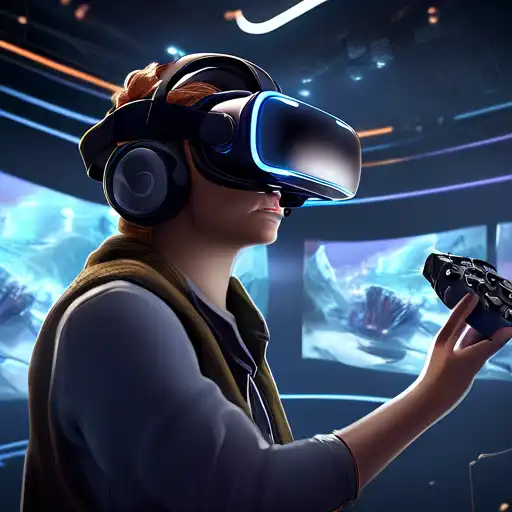
Understanding the Complexities of VR Content Development
Virtual Reality (VR) has emerged as a groundbreaking technology, offering immersive experiences that were once the stuff of science fiction. However, developing content for VR presents a unique set of challenges that creators must navigate to deliver compelling and engaging experiences.
Technical Limitations and Hardware Diversity
One of the primary hurdles in VR content development is the technical limitations and the diversity of hardware. Developers must ensure compatibility across a range of devices, each with its own specifications and capabilities. This diversity can significantly increase development time and costs.
Creating Immersive and Interactive Environments
Another challenge is crafting environments that are both immersive and interactive. Unlike traditional media, VR requires users to feel present in a virtual space, which demands high-quality graphics, realistic physics, and responsive controls. Achieving this level of detail requires advanced skills and tools.
User Experience and Motion Sickness
User experience is paramount in VR, with motion sickness being a common issue. Developers must carefully design movements and interactions to minimize discomfort, which can limit creative choices and require innovative solutions to maintain immersion without causing nausea.
High Development Costs and Resources
The cost of developing VR content is significantly higher than traditional digital media. From specialized software to high-end hardware, the investment required can be prohibitive for smaller studios or independent creators.
Strategies for Overcoming VR Development Challenges
Despite these challenges, there are strategies that developers can employ to streamline the VR content creation process and enhance the quality of their projects.
Leveraging Cross-Platform Development Tools
Utilizing cross-platform development tools can help mitigate the issue of hardware diversity. These tools allow creators to build content that is more easily adaptable across different VR systems, reducing development time and costs.
Focusing on User-Centered Design
Adopting a user-centered design approach is crucial for addressing motion sickness and enhancing immersion. By prioritizing the user's comfort and experience, developers can create more engaging and accessible VR content.
Collaborating and Sharing Resources
Collaboration among developers and sharing resources can also help reduce costs and spur innovation. Open-source projects and developer communities are valuable resources for overcoming technical and financial barriers.
The Future of VR Content Development
As technology advances, many of the current challenges in VR content development are likely to diminish. Improvements in hardware, software, and development methodologies promise to make VR more accessible to creators and audiences alike.
Despite the obstacles, the potential of VR to revolutionize entertainment, education, and other sectors is undeniable. By addressing these challenges head-on, developers can unlock the full potential of virtual reality.
For more insights into the evolving world of digital media, explore our technology section.