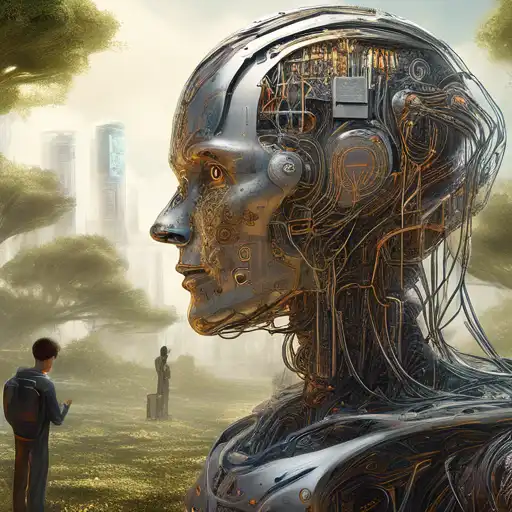
Introduction to Natural Language Processing
Natural Language Processing (NLP) stands at the intersection of computer science, artificial intelligence, and linguistics. It enables machines to understand, interpret, and generate human language in a way that is both meaningful and useful. From virtual assistants to translation services, NLP is revolutionizing how we interact with technology.
How Machines Understand Human Language
At its core, NLP involves the application of algorithms to identify and extract the natural language rules. This process allows computers to process human language in the form of text or voice data and 'understand' its full meaning, complete with the speaker's or writer's intentions and sentiments.
Key Components of NLP
- Syntax Analysis: Understanding the grammatical structure of sentences.
- Semantic Analysis: Interpreting the meaning of words and how they combine to form sentences.
- Pragmatic Analysis: Understanding the context in which language is used.
Applications of Natural Language Processing
NLP technologies are behind some of the most innovative applications today. Here are a few examples:
- Chatbots and Virtual Assistants: Tools like Siri and Alexa use NLP to respond to user queries.
- Translation Services: Platforms like Google Translate apply NLP to break language barriers.
- Sentiment Analysis: Businesses use NLP to gauge public opinion on products or services through social media.
Challenges in Natural Language Processing
Despite its advancements, NLP faces several challenges, including understanding context, sarcasm, and ambiguity in human language. Overcoming these hurdles requires continuous improvements in machine learning models and algorithms.
The Future of NLP
With the advent of more sophisticated AI models, the future of NLP looks promising. Innovations like deep learning and neural networks are pushing the boundaries of what machines can understand, making interactions more natural and intuitive.
As we continue to refine these technologies, the potential applications of NLP are limitless, from enhancing educational tools to improving accessibility for people with disabilities. The journey of machines understanding human language is just beginning, and the possibilities are endless.