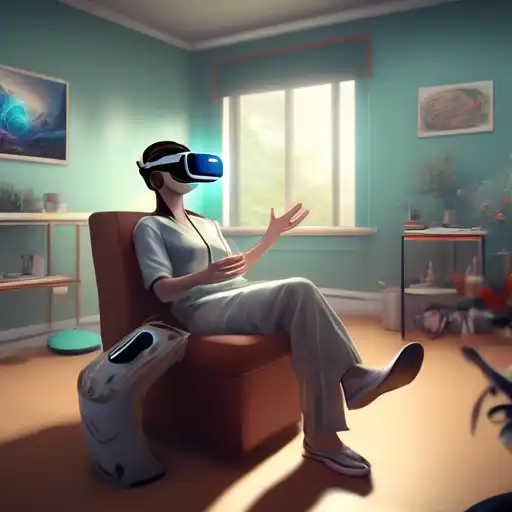
The Transformative Role of Virtual Reality in Therapeutic Practices
Virtual Reality (VR) technology has transcended its initial entertainment-centric applications to become a groundbreaking tool in the field of therapy. By creating immersive, controlled environments, VR offers unique opportunities for treating a variety of psychological and physical conditions. This article explores the innovative ways VR is being utilized in therapeutic settings, highlighting its benefits and potential for future applications.
Understanding VR Therapy
VR therapy involves the use of virtual reality technology to simulate environments where patients can confront and work through their issues under the guidance of a therapist. This method has proven particularly effective in treating phobias, PTSD, anxiety disorders, and even physical rehabilitation.
Key Applications of VR in Therapy
- Exposure Therapy: VR allows patients to face their fears in a safe, controlled setting, making it an ideal tool for exposure therapy.
- Pain Management: Studies have shown that VR can significantly reduce pain perception during medical procedures or chronic pain management.
- Physical Rehabilitation: VR games and simulations can motivate patients during physical therapy, improving engagement and outcomes.
- Mental Health: From anxiety to PTSD, VR provides a novel way to deliver cognitive behavioral therapy and other treatments.
Benefits of VR Therapy
The advantages of using VR in therapy are manifold. It offers a safe environment for exposure therapy, reduces the need for medication in pain management, and increases patient engagement in rehabilitation. Moreover, VR therapy can be tailored to each individual's needs, making it a highly personalized treatment option.
Challenges and Considerations
Despite its potential, VR therapy faces challenges such as high costs, the need for specialized equipment, and limited accessibility. Additionally, the effectiveness of VR therapy can vary depending on the individual and the condition being treated.
The Future of VR in Therapy
As technology advances, the applications of VR in therapy are expected to expand. With the development of more affordable and accessible VR solutions, this innovative treatment method could become a staple in therapeutic practices worldwide.
For those interested in exploring more about how technology is revolutionizing healthcare, check out our article on The Impact of AI on Healthcare.
In conclusion, VR therapy represents a significant leap forward in the treatment of various conditions. By offering immersive, customizable, and effective treatment options, VR is setting a new standard in therapeutic practices. As research continues and technology evolves, the potential for VR in therapy is boundless.