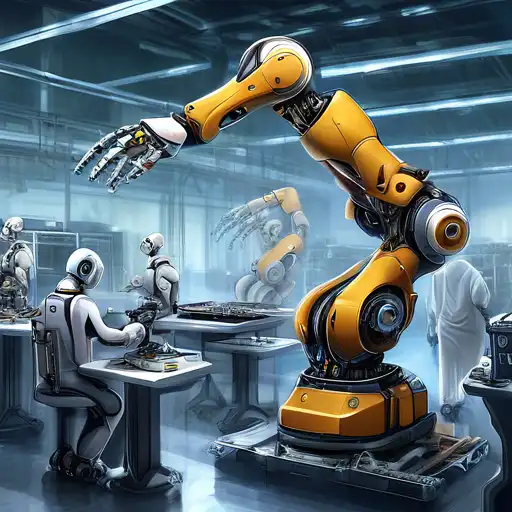
The Revolutionary Impact of Robotics on Modern Manufacturing
In the heart of the industrial revolution, the introduction of robotics into manufacturing processes has marked a pivotal shift towards efficiency, precision, and scalability. This transformation is not just about replacing human labor but enhancing capabilities, reducing errors, and opening new avenues for innovation.
Understanding the Role of Robotics in Manufacturing
Robotics in manufacturing refers to the use of automated machines that can perform tasks with high precision and speed. These robots are programmed to carry out complex operations, from assembly to packaging, with minimal human intervention. The integration of robotics has led to significant improvements in production lines, making them more flexible and adaptable to changing demands.
Key Benefits of Robotics in Manufacturing
- Increased Efficiency: Robots can operate 24/7 without fatigue, drastically increasing production rates.
- Enhanced Precision: With robotics, the margin for error is significantly reduced, ensuring high-quality products.
- Cost Reduction: Over time, the use of robots can lead to substantial savings in labor and operational costs.
- Safety Improvements: Robots can handle hazardous tasks, reducing workplace injuries.
Real-World Applications of Robotics in Manufacturing
From automotive to electronics, robotics has found applications across various sectors. In the automotive industry, robots are used for welding, painting, and assembly. The electronics sector benefits from robotics in the precise placement of components on circuit boards. These examples underscore the versatility and transformative potential of robotics in manufacturing.
Challenges and Considerations
Despite the benefits, the adoption of robotics comes with challenges. The initial investment can be high, and there's a need for skilled personnel to program and maintain these systems. Additionally, concerns about job displacement have sparked debates on the future of human labor in manufacturing.
The Future of Robotics in Manufacturing
The future looks promising, with advancements in AI and machine learning paving the way for smarter, more autonomous robots. These developments are expected to further revolutionize manufacturing processes, making them more efficient and sustainable.
As we continue to explore the potential of robotics, it's clear that their role in manufacturing is not just transformative but essential for future growth. The integration of robotics is a testament to human ingenuity and our relentless pursuit of innovation.
For more insights into how technology is shaping industries, check out our articles on automation trends and the future of work.