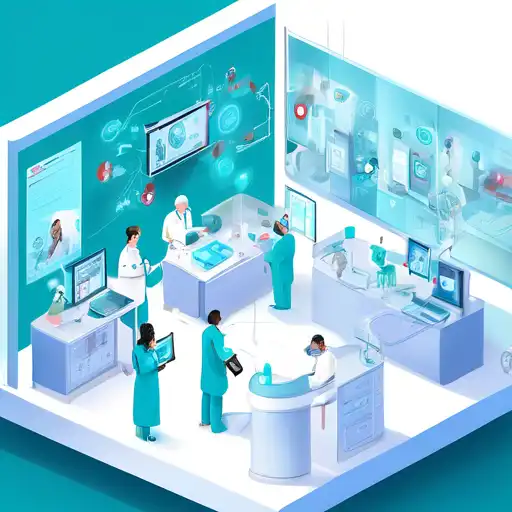
Introduction to IoT in Healthcare
The Internet of Things (IoT) is revolutionizing various sectors, and healthcare is no exception. By integrating IoT devices into healthcare services, providers can offer more personalized, efficient, and proactive care. This article explores the transformative impact of IoT on healthcare services, highlighting key innovations and benefits.
Key IoT Innovations in Healthcare
IoT technology has introduced several groundbreaking innovations in healthcare, including wearable devices, remote monitoring tools, and smart hospital equipment. These technologies enable real-time health monitoring, early disease detection, and improved patient outcomes.
Wearable Health Devices
Wearable devices, such as fitness trackers and smartwatches, collect vital health data like heart rate, sleep patterns, and physical activity. This data can be shared with healthcare providers for better diagnosis and treatment plans.
Remote Patient Monitoring
Remote monitoring tools allow healthcare providers to track patients' health outside traditional clinical settings. This is particularly beneficial for chronic disease management and elderly care, reducing hospital readmissions and healthcare costs.
Benefits of IoT in Healthcare
The adoption of IoT in healthcare offers numerous benefits, including enhanced patient care, operational efficiency, and cost reduction. Below are some of the key advantages:
- Improved Patient Outcomes: Real-time monitoring and data analysis lead to timely interventions and personalized treatment plans.
- Increased Efficiency: Automated processes and streamlined workflows reduce administrative burdens and improve service delivery.
- Cost Savings: Preventive care and remote monitoring minimize unnecessary hospital visits and readmissions.
Challenges and Considerations
Despite its benefits, the integration of IoT in healthcare faces challenges such as data security, privacy concerns, and the need for robust infrastructure. Addressing these issues is crucial for maximizing the potential of IoT in healthcare.
Data Security and Privacy
Protecting sensitive health data from breaches and unauthorized access is paramount. Implementing advanced encryption and compliance with regulations like HIPAA are essential steps.
Infrastructure Requirements
The successful deployment of IoT solutions requires reliable internet connectivity, interoperable devices, and skilled personnel. Investing in infrastructure and training is necessary to overcome these hurdles.
Future Prospects
The future of IoT in healthcare is promising, with advancements in AI, machine learning, and 5G technology expected to further enhance its capabilities. These developments will enable more sophisticated applications, such as predictive analytics and autonomous robotic surgeries.
As IoT continues to evolve, its integration into healthcare services will undoubtedly lead to more innovative solutions, improving patient care and operational efficiency. The journey towards a fully connected healthcare ecosystem is just beginning, and the possibilities are endless.