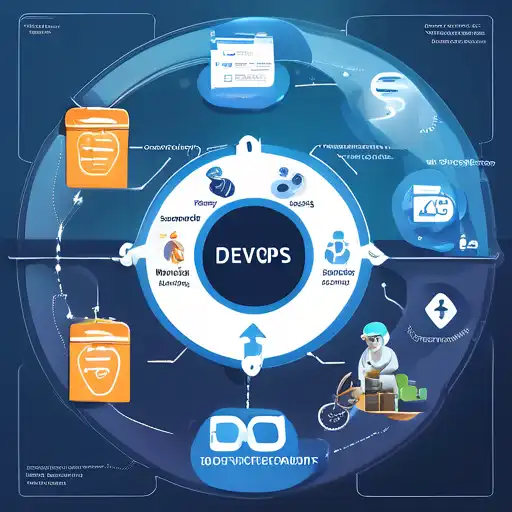
Introduction to DevOps in Software Development
DevOps has revolutionized the way software is developed, deployed, and maintained. By bridging the gap between development and operations teams, DevOps practices ensure a smoother, faster, and more efficient software development lifecycle (SDLC). This article explores the pivotal role of DevOps in enhancing the SDLC, focusing on its benefits, key practices, and how it fosters collaboration and innovation.
The Benefits of DevOps in the SDLC
DevOps brings numerous advantages to the software development process, including improved collaboration, faster deployment times, and higher quality products. By integrating DevOps practices, organizations can achieve continuous integration and continuous delivery (CI/CD), enabling them to release software updates more frequently and reliably. This not only improves the efficiency of the development process but also enhances customer satisfaction.
Key DevOps Practices for Improving the SDLC
Several DevOps practices are critical for optimizing the software development lifecycle. These include:
- Automation: Automating repetitive tasks reduces errors and speeds up the development process.
- Continuous Integration and Continuous Delivery (CI/CD): CI/CD pipelines allow for the automatic testing and deployment of code changes, ensuring that software can be released at any time.
- Infrastructure as Code (IaC): Managing infrastructure through code improves consistency and makes environments easier to replicate and manage.
- Monitoring and Logging: Continuous monitoring and logging help identify and resolve issues quickly, improving system reliability.
How DevOps Fosters Collaboration and Innovation
DevOps culture emphasizes collaboration between development and operations teams, breaking down silos and encouraging shared responsibility. This collaborative environment fosters innovation, as teams are more likely to experiment and implement new ideas when they work closely together. Moreover, the feedback loop in DevOps ensures that lessons learned from operations are quickly incorporated back into development, leading to continuous improvement.
Conclusion
DevOps is not just a set of practices but a culture that transforms the software development lifecycle. By embracing DevOps, organizations can achieve faster deployment times, higher quality software, and a more collaborative and innovative work environment. As the software industry continues to evolve, DevOps will remain a key driver of efficiency and success in software development.
For more insights into optimizing your development process, explore our articles on continuous integration and automation in DevOps.