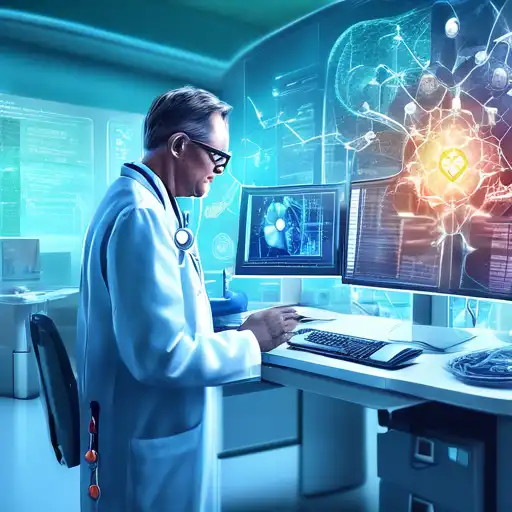
The Transformative Impact of Data Science on Healthcare
In recent years, data science has emerged as a revolutionary force in healthcare, offering unprecedented opportunities to improve patient outcomes, streamline operations, and reduce costs. By harnessing the power of big data, machine learning, and artificial intelligence, healthcare providers can now predict outbreaks, personalize treatments, and enhance diagnostic accuracy like never before.
Personalized Medicine and Treatment Plans
One of the most significant contributions of data science to healthcare is the development of personalized medicine. By analyzing vast datasets, including genetic information, data scientists can identify patterns and predict individual responses to treatments. This approach not only improves efficacy but also minimizes side effects, paving the way for more targeted and effective healthcare solutions.
Predictive Analytics for Preventive Care
Predictive analytics, a cornerstone of data science, enables healthcare providers to anticipate and prevent diseases before they occur. By analyzing trends and patterns in patient data, predictive models can identify at-risk individuals, allowing for early intervention and significantly improving health outcomes.
Enhancing Diagnostic Accuracy with Machine Learning
Machine learning algorithms are transforming diagnostic processes by analyzing medical images and patient data with remarkable accuracy. These technologies support healthcare professionals in detecting diseases such as cancer at earlier stages, significantly improving the chances of successful treatment.
Streamlining Healthcare Operations
Beyond patient care, data science is optimizing healthcare operations. From managing patient flow to optimizing supply chains, data-driven insights are helping hospitals and clinics operate more efficiently, reducing wait times and lowering costs.
Challenges and Ethical Considerations
Despite its potential, the integration of data science into healthcare is not without challenges. Issues such as data privacy, security, and ethical use of patient information must be carefully managed to maintain trust and compliance with regulations.
In conclusion, data science is reshaping healthcare in profound ways, from personalized medicine to operational efficiency. As technology advances, the potential for further innovation is boundless, promising a future where healthcare is more predictive, personalized, and accessible to all.
For more insights into how technology is transforming industries, explore our technology trends section.