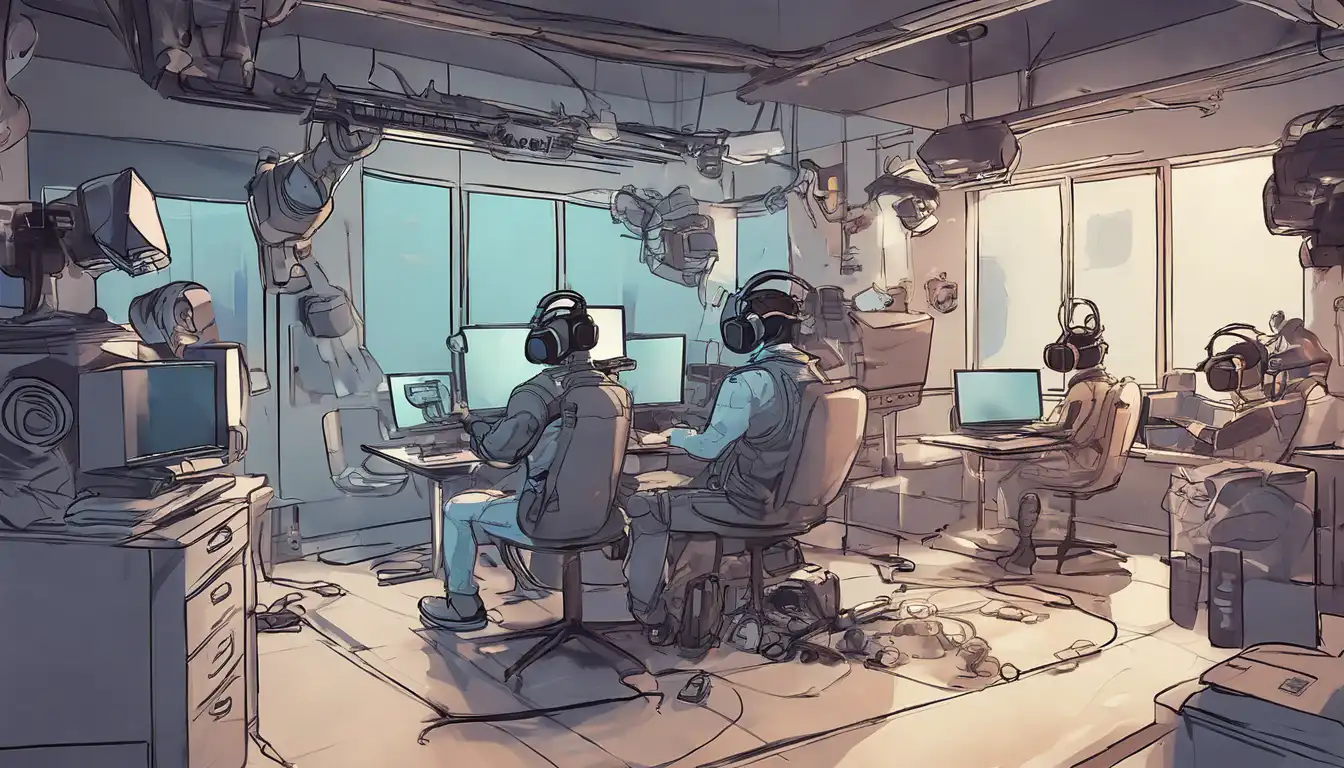
Introduction to Virtual Reality Development
Virtual Reality (VR) development is an exciting field that combines creativity with technology to create immersive experiences. Whether you're a seasoned developer or a newcomer, getting started with VR development can seem daunting. This guide will walk you through the basics, from understanding the tools you'll need to creating your first VR project.
Understanding VR Development
VR development involves creating applications or games that are experienced through VR headsets. These applications can range from simple 360-degree videos to complex interactive environments. The key to successful VR development is understanding the user's perspective and ensuring a seamless and immersive experience.
Tools and Software for VR Development
To start with VR development, you'll need the right tools. Here are some of the most popular ones:
- Unity: A powerful game engine that supports VR development with plugins like Oculus Integration and SteamVR.
- Unreal Engine: Another game engine that offers high-quality graphics and VR support.
- Blender: A free and open-source 3D modeling tool that's great for creating assets for your VR projects.
- VR Headsets: Devices like Oculus Rift, HTC Vive, or PlayStation VR are essential for testing your applications.
Learning the Basics
Before diving into development, it's important to grasp the basics of VR technology and design principles. Understanding concepts like field of view, motion tracking, and user interface design in VR will help you create more effective and engaging experiences.
Creating Your First VR Project
Starting with a simple project is a great way to get hands-on experience. Consider creating a basic VR environment where users can look around and interact with objects. This will help you familiarize yourself with the development process and the challenges of VR design.
Testing and Iteration
Testing is a crucial part of VR development. Regular testing on actual VR hardware will help you identify and fix issues related to performance, comfort, and usability. Iteration based on feedback is key to refining your VR application.
Resources for Further Learning
There are many resources available for aspiring VR developers. Online courses, forums, and documentation can provide valuable insights and help you overcome challenges. Engaging with the VR development community can also offer support and inspiration.
Conclusion
VR development is a rewarding field that offers endless possibilities for creativity and innovation. By starting with the basics, leveraging the right tools, and continuously learning, you can embark on a successful journey in VR development. Remember, the key to success is persistence and a willingness to experiment and learn from your experiences.