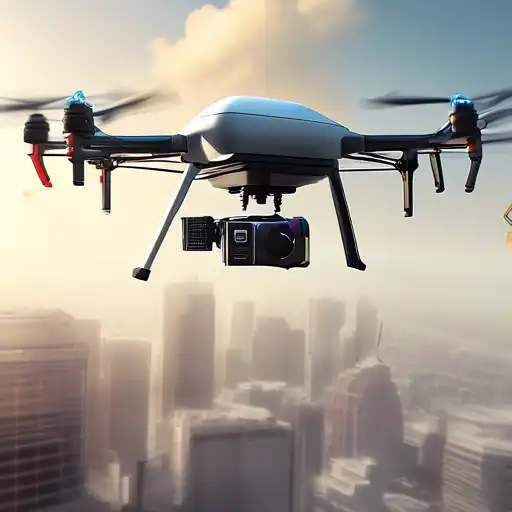
Introduction to Commercial Drones
Commercial drones, also known as Unmanned Aerial Vehicles (UAVs), have revolutionized various industries by offering innovative solutions to traditional problems. From agriculture to real estate, the applications are vast and growing. This article delves into the opportunities presented by commercial drones and the regulatory framework governing their use.
Opportunities Unleashed by Commercial Drones
The advent of commercial drones has opened up a plethora of opportunities across multiple sectors. Here are some of the key areas where drones are making a significant impact:
- Agriculture: Drones are used for crop monitoring, spraying, and surveying, leading to increased efficiency and reduced costs.
- Construction and Real Estate: Aerial photography and surveying provide unique perspectives for marketing and planning.
- Delivery Services: Companies are experimenting with drones for delivering packages, promising faster and more efficient service.
- Emergency Response: Drones play a crucial role in search and rescue operations, especially in hard-to-reach areas.
Navigating the Regulatory Landscape
While the opportunities are immense, the use of commercial drones is subject to strict regulations to ensure safety and privacy. Key regulatory considerations include:
- Registration: In many countries, drones must be registered with the aviation authority.
- No-Fly Zones: Certain areas, such as near airports or military bases, are off-limits to drones.
- Privacy Laws: Operators must respect individuals' privacy and avoid unauthorized surveillance.
- Insurance: Commercial drone operators are often required to have liability insurance.
Future Prospects
The future of commercial drones looks promising, with advancements in technology and gradual easing of regulations. Innovations such as beyond visual line of sight (BVLOS) operations and drone traffic management systems are expected to further expand the possibilities.
Conclusion
Commercial drones offer transformative opportunities across various industries, but navigating the regulatory landscape is essential for sustainable growth. As technology evolves, so too will the applications and regulations surrounding drones, paving the way for a new era of innovation.