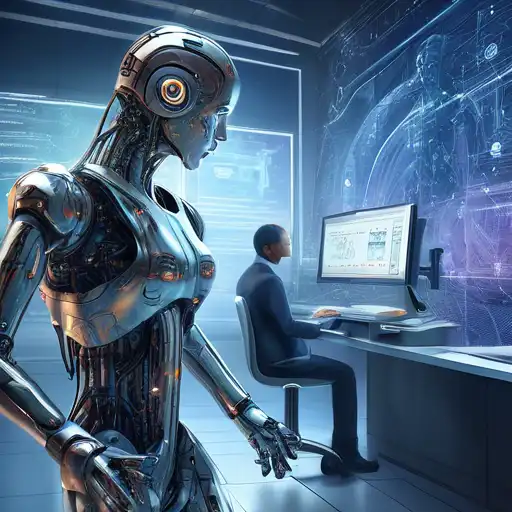
Introduction to AI and Machine Learning
In the rapidly evolving world of technology, the terms Artificial Intelligence (AI) and Machine Learning (ML) are often used interchangeably. However, they are not the same. This article aims to demystify these concepts, highlighting their differences and how they complement each other in the tech ecosystem.
What is Artificial Intelligence?
Artificial Intelligence is a broad field of computer science focused on creating systems capable of performing tasks that typically require human intelligence. These tasks include problem-solving, understanding natural language, recognizing patterns, and making decisions. AI can be categorized into two types: narrow AI, which is designed to perform a narrow task (e.g., facial recognition), and general AI, which can perform any intellectual task that a human can.
What is Machine Learning?
Machine Learning, a subset of AI, involves the development of algorithms that allow computers to learn from and make predictions or decisions based on data. Unlike traditional programming, where humans write explicit instructions, ML models improve their performance as they are exposed to more data over time. ML is behind many of the services we use today, including recommendation systems like those on Netflix and Amazon.
Key Differences Between AI and Machine Learning
While AI is the broader concept of machines being able to carry out tasks in a way that we would consider "smart," ML is a current application of AI based around the idea that we should be able to give machines access to data and let them learn for themselves. Here are some key differences:
- Scope: AI encompasses a wider range of technologies and applications, while ML is specifically focused on algorithms that learn from data.
- Dependency: ML depends on data to learn and improve, whereas AI can be rule-based and not necessarily learn from data.
- Applications: AI applications range from robotics to natural language processing, while ML is often used in data analysis, predictive modeling, and more.
How AI and Machine Learning Work Together
Despite their differences, AI and ML often work hand in hand. ML is one of the most effective ways to achieve AI. By feeding ML algorithms vast amounts of data, we can train them to perform tasks that fall under the umbrella of AI. For example, AI-powered chatbots use ML to understand and respond to human language more effectively over time.
Future Trends in AI and Machine Learning
The future of AI and ML is incredibly promising, with advancements in deep learning, neural networks, and quantum computing paving the way for more sophisticated and efficient systems. As these technologies continue to evolve, we can expect them to become even more integrated into our daily lives, transforming industries such as healthcare, finance, and transportation.
For those interested in diving deeper into the world of AI and ML, exploring data science and emerging tech trends can provide valuable insights into how these technologies are shaping the future.
In conclusion, while AI and Machine Learning are closely related, they are distinct fields with their own unique applications and challenges. Understanding the difference between them is crucial for anyone looking to navigate the future of technology effectively.