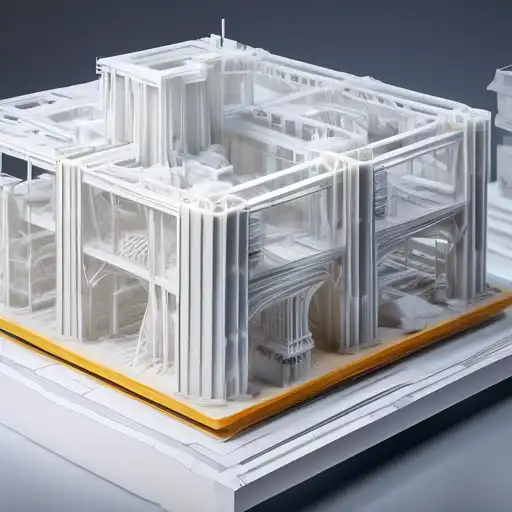
The Dawn of a New Era in Construction
3D printing technology is transforming the construction industry, offering unprecedented opportunities for innovation, efficiency, and sustainability. This groundbreaking approach allows for the creation of complex structures with minimal waste, revolutionizing how we think about building tomorrow.
How 3D Printing is Changing the Construction Landscape
3D printing, or additive manufacturing, in construction involves the layer-by-layer deposition of materials to create buildings and structures. This method not only speeds up the construction process but also significantly reduces material waste, making it a more sustainable option compared to traditional construction methods.
The Benefits of 3D Printing in Construction
- Cost Efficiency: By minimizing waste and reducing labor costs, 3D printing can significantly lower the overall cost of construction projects.
- Speed: Structures can be completed in a fraction of the time it takes with conventional methods, enabling faster project turnaround.
- Design Flexibility: 3D printing allows for the creation of complex, custom designs that would be difficult or impossible to achieve with traditional construction techniques.
- Sustainability: With its ability to use recycled materials and reduce waste, 3D printing is paving the way for greener construction practices.
Real-World Applications of 3D Printing in Construction
From residential homes to commercial buildings and even bridges, 3D printing is being utilized in a variety of construction projects around the world. Notable examples include the first 3D-printed office in Dubai and a 3D-printed pedestrian bridge in Spain, showcasing the versatility and potential of this technology.
Challenges and Future Prospects
Despite its many advantages, 3D printing in construction faces challenges such as regulatory hurdles, material limitations, and the need for skilled operators. However, as technology advances and these challenges are addressed, the potential for 3D printing in construction is limitless. The future may see entire neighborhoods built with 3D printing, offering affordable, sustainable, and customizable housing solutions.
For more insights into innovative construction technologies, explore our construction innovation section.
Conclusion
3D printing in construction represents a significant leap forward in building technology. With its ability to reduce costs, save time, and minimize environmental impact, it's clear that 3D printing will play a pivotal role in shaping the future of construction. As we continue to explore and overcome the challenges associated with this technology, the possibilities are truly endless.