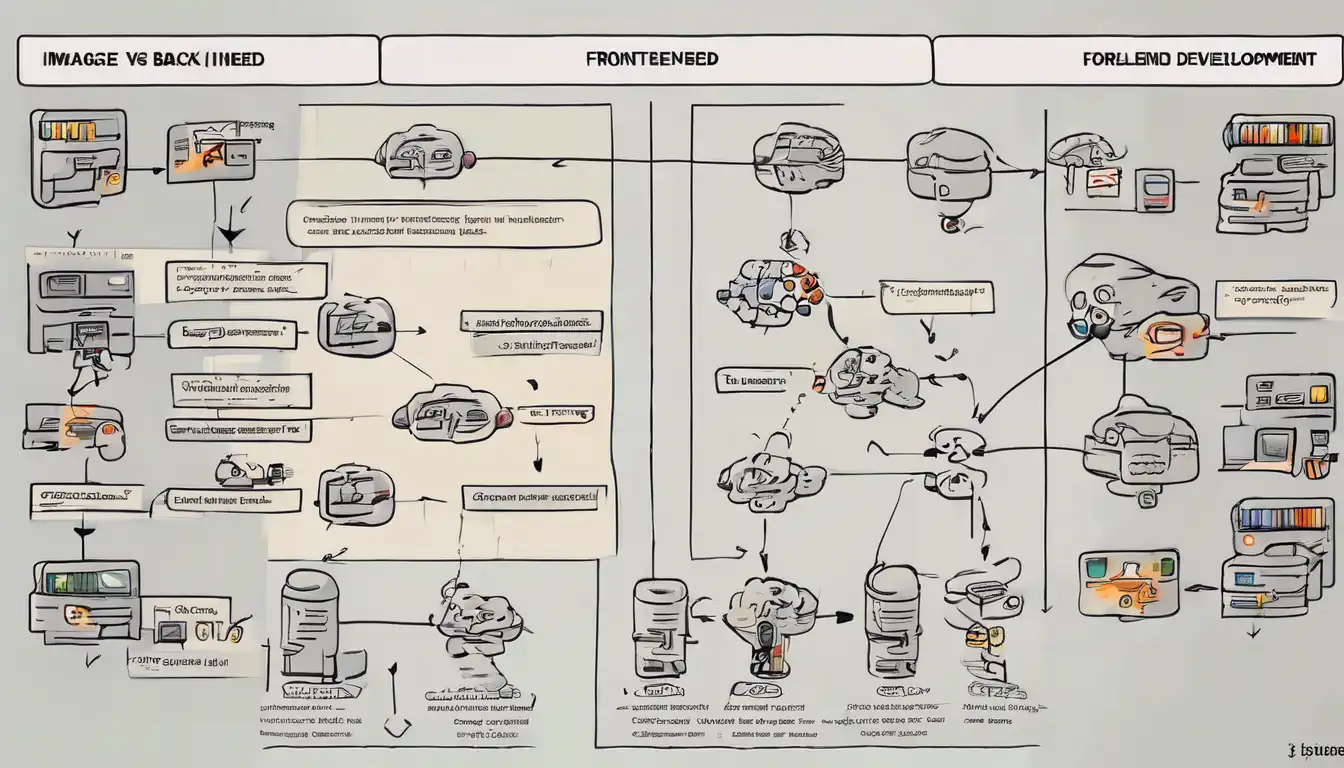
Introduction to Frontend and Backend Development
In the world of web development, understanding the distinction between frontend and backend development is crucial for anyone looking to build or maintain a website. This article will delve into the differences, roles, and technologies associated with each side of web development.
What is Frontend Development?
Frontend development, also known as client-side development, involves creating the part of the website that users interact with directly. It's all about the visual aspects and user experience. Technologies commonly used in frontend development include HTML, CSS, and JavaScript, along with frameworks like React, Angular, and Vue.js.
What is Backend Development?
Backend development, or server-side development, focuses on the server, database, and application logic that work behind the scenes to deliver information to the frontend. Popular backend technologies include Node.js, Ruby on Rails, Python with Django, and PHP with Laravel.
Key Differences Between Frontend and Backend Development
- User Interaction: Frontend is all about what users see and interact with, while backend deals with data storage, security, and server management.
- Technologies: Frontend developers use HTML, CSS, and JavaScript, whereas backend developers might use Python, Ruby, PHP, or Java.
- Performance: Backend development often focuses on the speed and efficiency of the server, database, and application, while frontend development focuses on rendering speed and responsiveness.
How Frontend and Backend Work Together
For a website to function smoothly, frontend and backend development must work in harmony. The frontend sends requests to the backend, which processes these requests and sends back the necessary data. This interaction is what allows users to interact with web applications seamlessly.
Choosing Between Frontend and Backend Development
Deciding whether to focus on frontend or backend development depends on your interests and skills. If you enjoy designing user interfaces and working with visual elements, frontend might be for you. If you're more interested in data, algorithms, and server logic, consider backend development.
Conclusion
Both frontend and backend development play vital roles in creating functional, user-friendly websites. Understanding the differences and how they complement each other is essential for anyone involved in web development. Whether you're a beginner looking to start your journey or an experienced developer exploring new areas, mastering both frontend and backend technologies can open up a world of opportunities.
For more insights into web development, check out our articles on Web Development Basics and Choosing the Right Framework.