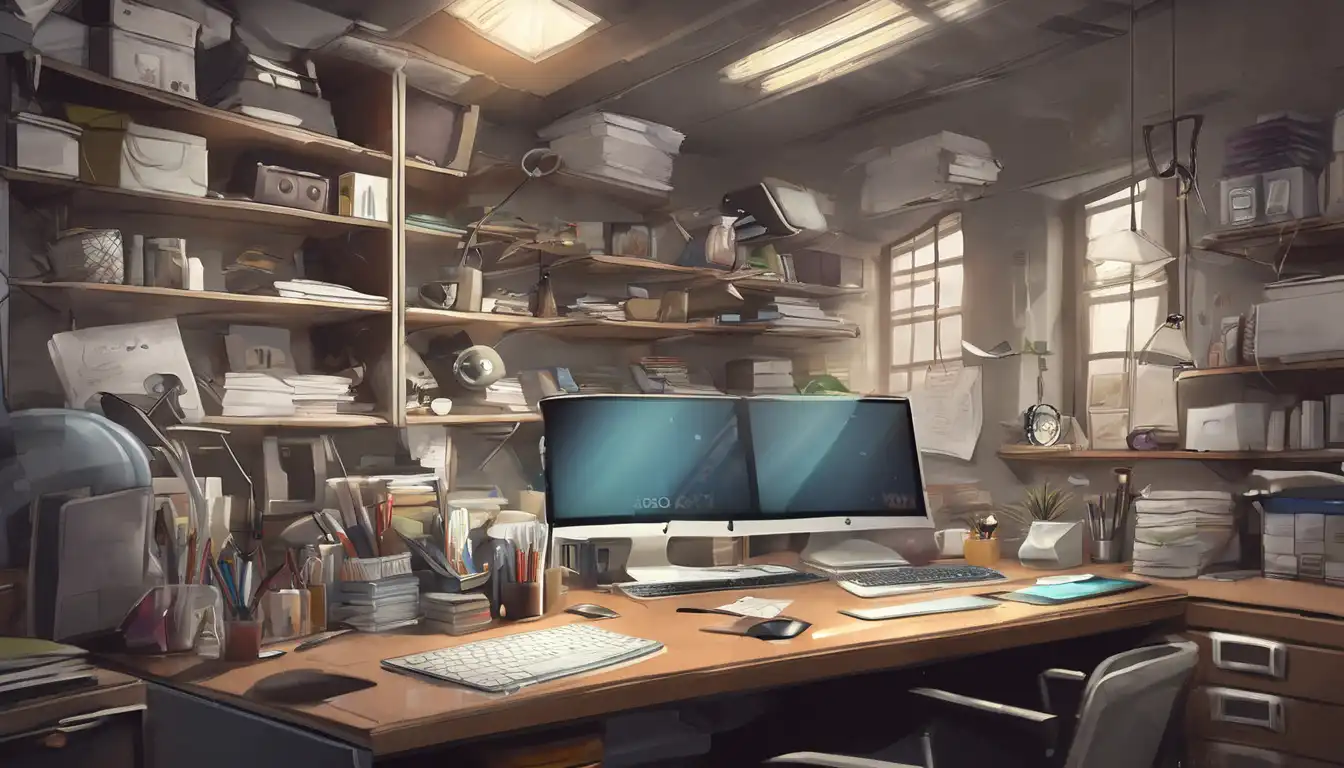
Transform Your Workspace for Maximum Focus and Efficiency
In today's fast-paced work environment, maintaining focus can feel like an uphill battle. The secret to unlocking your productivity potential often lies in something surprisingly simple: how you organize your workspace. A well-designed, clutter-free environment can significantly impact your ability to concentrate, reduce stress, and accomplish more in less time. Whether you work from a home office, corporate setting, or hybrid arrangement, implementing strategic organization techniques can revolutionize your workday.
The Psychology Behind Workspace Organization
Before diving into practical strategies, it's important to understand why workspace organization matters so much for focus. Clutter competes for your attention at a subconscious level, creating cognitive overload that drains mental energy. Research shows that visual distractions can reduce working memory capacity and increase stress hormones. Conversely, an organized environment signals to your brain that it's time to focus, creating mental clarity that supports deep work and creative thinking.
Your physical surroundings directly influence your mental state. When your workspace is chaotic, your thoughts tend to follow suit. By taking control of your environment, you're essentially programming your brain for success. This connection between physical space and mental focus explains why many high-performing individuals prioritize workspace organization as a non-negotiable aspect of their productivity system.
Essential Elements of an Organized Workspace
Decluttering Your Digital and Physical Space
Start with a thorough decluttering session. Remove everything from your desk and only return items you use daily. For digital organization, apply the same principle to your computer desktop and files. Create a systematic filing structure that makes documents easy to find. Consider implementing the digital minimalism approach to reduce digital distractions that can sabotage your focus.
Physical decluttering should follow the "one-touch" rule: handle each item once and decide immediately whether to keep, donate, or discard. This prevents the common trap of creating "to-sort" piles that become permanent clutter. For papers and documents, establish an efficient filing system with clear categories and regular maintenance schedules.
Ergonomic Considerations for Long-Term Focus
Proper ergonomics aren't just about physical comfort—they directly impact your ability to maintain focus. An uncomfortable chair or poorly positioned monitor can create subtle distractions that accumulate throughout the day. Invest in quality ergonomic furniture that supports good posture and reduces physical strain. Position your monitor at eye level, keep your keyboard and mouse within easy reach, and ensure your chair provides adequate lumbar support.
Lighting plays a crucial role in focus and eye strain. Natural light is ideal, but if that's not possible, use layered lighting with a combination of overhead lights and task lighting. Avoid harsh fluorescent lighting that can cause headaches and visual fatigue. Proper lighting not only reduces eye strain but also helps regulate your circadian rhythms, which affects your energy levels throughout the day.
Advanced Organization Strategies
The Zoning Method for Workspace Efficiency
Divide your workspace into functional zones based on different types of work. Create distinct areas for computer work, reading, creative thinking, and storage. This zoning approach helps your brain associate specific spaces with particular mental states, making it easier to transition between different types of tasks. For example, you might have a "deep work zone" for focused tasks and a "quick task zone" for administrative duties.
Within each zone, organize items based on frequency of use. Keep daily essentials within arm's reach, weekly items in nearby drawers, and monthly items in more distant storage. This tiered approach ensures that you're not wasting mental energy searching for commonly used items while keeping your immediate workspace uncluttered.
Digital Workspace Optimization
Your digital environment requires as much attention as your physical space. Organize your computer files using a logical hierarchy that mirrors how you think about your work. Use consistent naming conventions and implement a regular digital cleanup schedule. Consider using productivity apps that help automate organization tasks and reduce decision fatigue.
Browser organization is particularly important for maintaining focus. Use bookmark folders, tab management extensions, and separate browser profiles for different types of work. This prevents the common problem of having dozens of tabs open simultaneously, which can be visually overwhelming and mentally distracting.
Maintaining Your Organized Workspace
Organization isn't a one-time project—it's an ongoing practice. Establish daily and weekly routines to maintain your workspace. The "5-minute reset" at the end of each workday can prevent clutter from accumulating. This involves clearing your desk, organizing papers, and preparing for the next day. Weekly reviews allow you to address any organizational systems that aren't working and make necessary adjustments.
Regular audits help identify organizational blind spots. Every month, take 15 minutes to evaluate what's working and what needs improvement. This proactive approach prevents small organizational issues from becoming major problems that disrupt your focus. Remember that your organizational needs may evolve as your work changes, so remain flexible and willing to adapt your systems.
The Connection Between Organization and Mental Clarity
When your workspace is organized, you reduce the cognitive load required to navigate your environment. This freed-up mental capacity can then be directed toward your actual work. The visual simplicity of an organized space creates psychological calmness that supports sustained attention. Many people find that the act of organizing itself becomes a meditative practice that prepares their mind for focused work.
Organization also reduces decision fatigue. When everything has a designated place, you eliminate countless small decisions about where to put things or how to find them. This conservation of mental energy is particularly valuable for creative professionals and knowledge workers who need their full cognitive resources for complex problem-solving. For more insights on achieving mental clarity, explore our related resources.
Customizing Your Organization System
While general principles apply to most workspaces, the most effective organization system is one tailored to your specific work style and preferences. Experiment with different approaches until you find what works best for you. Some people thrive with minimalist setups, while others prefer having certain inspirational items visible. The key is intentionality—every item in your workspace should serve a purpose, whether functional or motivational.
Consider your personal workflow when designing your organization system. If you frequently switch between projects, you might need a more flexible system than someone who works on long-term initiatives. The goal is to create an environment that supports rather than hinders your natural working style. Remember that effective organization should make your work easier, not add another layer of complexity to your day.
By implementing these workspace organization strategies, you'll create an environment that naturally supports focus and productivity. The initial investment of time and effort will pay dividends in reduced stress, increased efficiency, and enhanced work quality. Start with small changes and gradually build toward your ideal organized workspace—your focused, productive self will thank you.