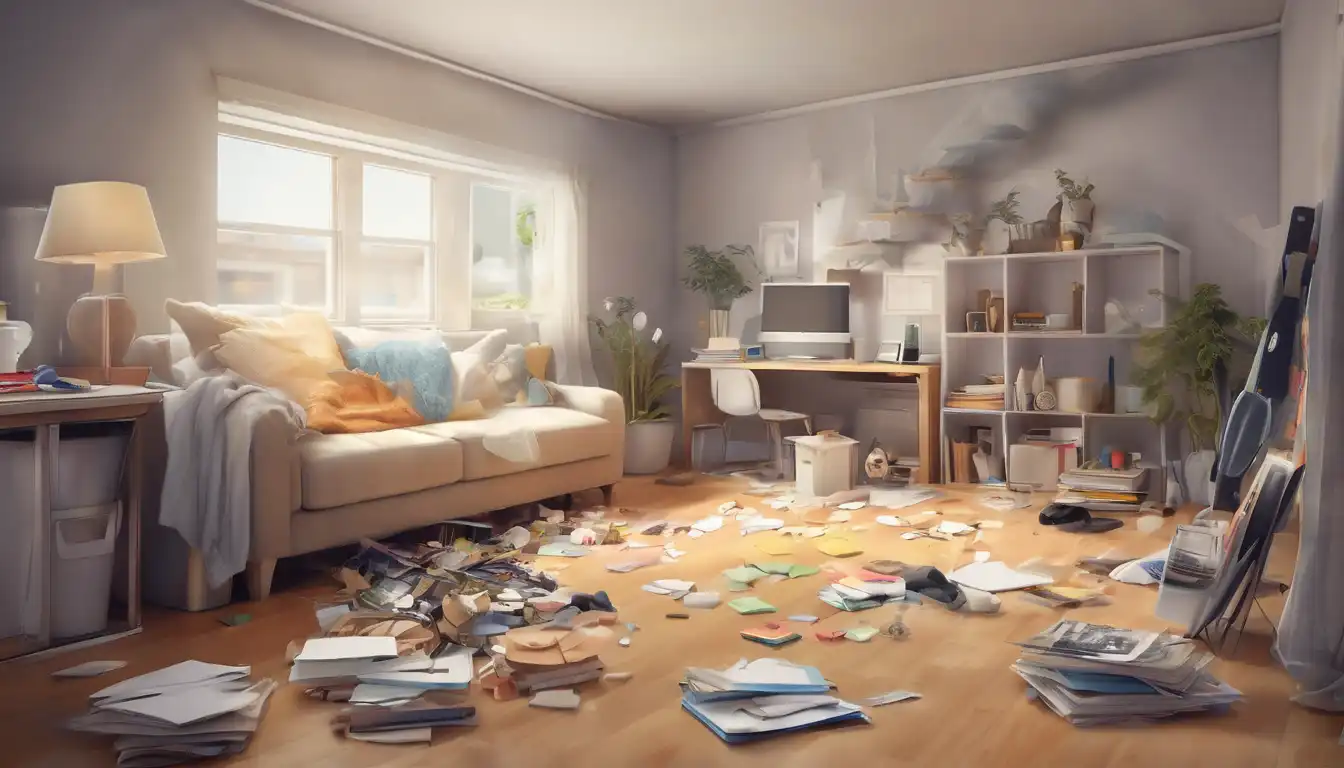
Transform Your Space with These Effective Decluttering Methods
Are you tired of living in a cluttered environment that drains your energy and productivity? Many people struggle with household clutter, but the good news is that you can achieve remarkable results quickly with the right approach. This comprehensive guide will walk you through proven strategies to declutter your home efficiently, creating a more peaceful and organized living space that enhances your quality of life.
Prepare Your Decluttering Mindset
Before you begin the physical process of decluttering, it's crucial to establish the right mindset. Start by setting clear, achievable goals for each room or area. Visualize how you want your space to look and feel after the process. Remember that decluttering isn't about perfection—it's about progress. Even small improvements can make a significant difference in your daily life.
Gather essential supplies before you start: sturdy boxes or bins for sorting, garbage bags for disposal, cleaning supplies, and labeling materials. Having everything ready will streamline the process and prevent unnecessary interruptions. Consider setting a timer for specific tasks to maintain focus and momentum throughout your decluttering session.
The Four-Box Method: Your Decluttering Foundation
One of the most effective techniques for rapid decluttering is the four-box method. This systematic approach ensures you make clear decisions about every item you encounter. Label four containers as follows:
- Keep: Items you use regularly and genuinely need
- Donate/Sell: Quality items in good condition that you no longer use
- Trash/Recycle: Broken, damaged, or unusable items
- Relocate: Items that belong in other rooms or areas
Work through one area at a time, handling each item only once and placing it in the appropriate box. This method prevents decision fatigue and keeps the process moving efficiently. For more detailed organization strategies, explore our guide on effective home organization systems.
Room-by-Room Decluttering Strategy
Kitchen Decluttering Made Simple
The kitchen often becomes a clutter hotspot due to its frequent use. Start by emptying one cabinet or drawer at a time. Check expiration dates on food items and discard anything outdated. Evaluate utensils, gadgets, and cookware—keep only what you use regularly. Consider implementing the one-in-one-out rule for new purchases to maintain your clutter-free kitchen.
Organize remaining items logically, placing frequently used items within easy reach. Use drawer dividers and cabinet organizers to maximize space and maintain order. This approach not only declutters your kitchen but also makes meal preparation more efficient and enjoyable.
Living Room Quick Fixes
Living rooms tend to accumulate miscellaneous items from daily life. Begin by clearing surfaces like coffee tables, shelves, and entertainment centers. Sort through magazines, remote controls, and decorative items. Designate specific homes for frequently used items to prevent future clutter buildup.
Evaluate furniture placement—sometimes rearranging can create better flow and reduce visual clutter. Implement storage solutions like baskets or ottomans with hidden compartments to contain items while maintaining aesthetic appeal. These simple changes can transform your living space into a more relaxing environment.
Bedroom Sanctuary Creation
Your bedroom should be a peaceful retreat, not a storage area. Start with clothing: remove everything from closets and drawers. Be ruthless about items you haven't worn in the past year. Consider the capsule wardrobe approach to simplify your clothing choices and reduce decision fatigue.
Clear nightstands and surfaces of unnecessary items. Evaluate bedding and linens, keeping only what you regularly use. Create designated spaces for jewelry, accessories, and personal items to maintain organization. A clutter-free bedroom promotes better sleep and reduces morning stress.
Maintaining Your Decluttered Space
Decluttering is only half the battle—maintaining your organized space is equally important. Establish daily habits like the five-minute nightly tidy-up to prevent clutter from accumulating. Designate specific homes for frequently used items and ensure family members understand the system.
Regularly schedule mini-decluttering sessions to address new items before they become problematic. Consider implementing a "one-in-one-out" rule for new acquisitions to maintain balance. These maintenance strategies will help you enjoy your decluttered home long-term without feeling overwhelmed by future cleaning tasks.
Overcoming Common Decluttering Challenges
Many people face emotional attachments to items or decision paralysis during decluttering. If you struggle with sentimental items, consider taking photos before letting them go. For items you're unsure about, create a "maybe" box with a review date—if you haven't needed the items by that date, it's safe to let them go.
Remember that decluttering is a process, not a one-time event. Celebrate small victories and acknowledge that perfection isn't the goal. If you feel overwhelmed, break tasks into smaller, manageable chunks. Even 15-minute decluttering sessions can yield significant results over time.
The Benefits of a Decluttered Home
A decluttered home offers numerous benefits beyond visual appeal. You'll experience reduced stress levels, improved focus, and increased productivity. Cleaning becomes faster and more efficient when surfaces are clear and items have designated homes. Many people report better sleep quality and overall well-being in organized environments.
Financially, decluttering can help you avoid duplicate purchases and identify items you can sell for extra income. The mental clarity gained from an organized space often translates to better decision-making in other areas of life. Embrace the transformation and enjoy the lasting benefits of your decluttering efforts.
By implementing these straightforward strategies, you can quickly transform your living space into an organized, peaceful environment that supports your lifestyle and well-being. Remember that consistency is key—regular maintenance will ensure your home remains clutter-free and functional for years to come.