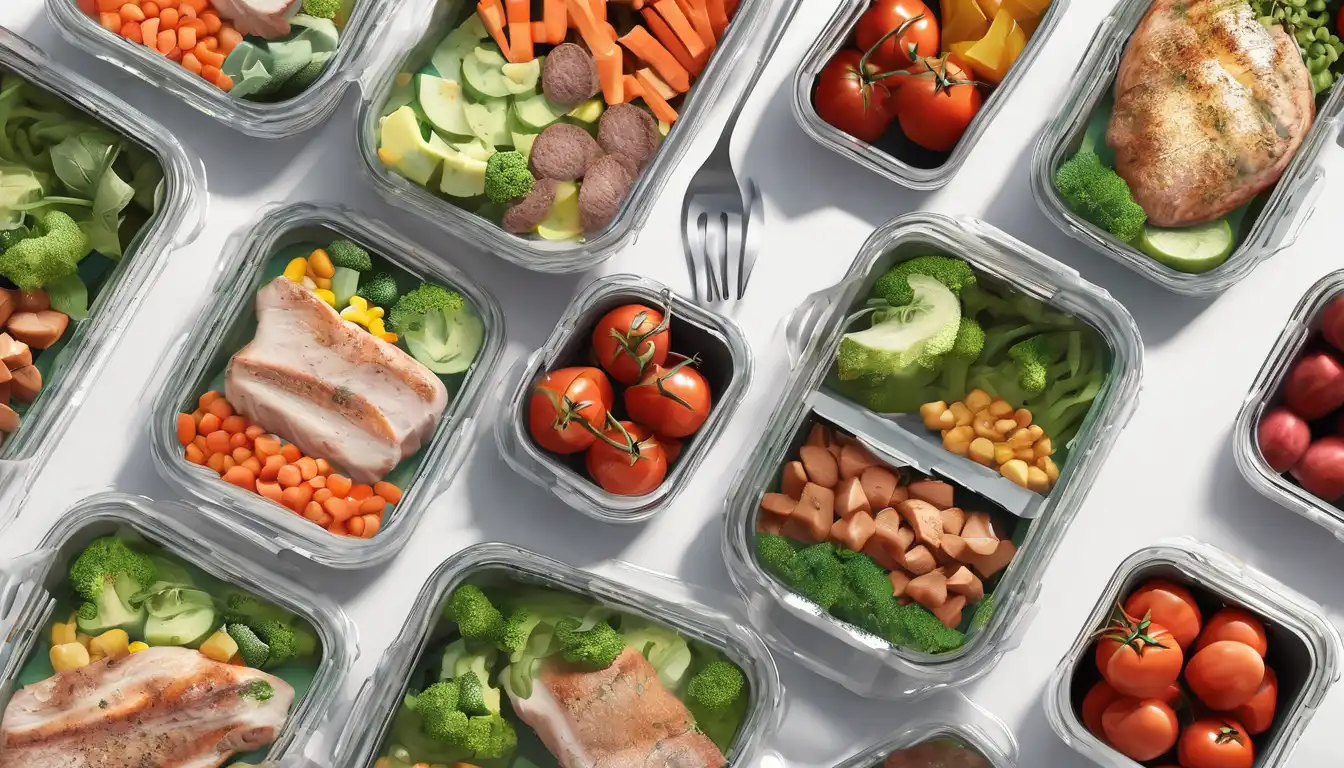
Transform Your Week with Effective Meal Preparation
Meal preparation is more than just a trend—it's a powerful strategy for maintaining healthy eating habits while managing a busy schedule. By dedicating a few hours each week to planning and preparing your meals, you can save time, reduce stress, and make healthier food choices consistently. Whether you're new to meal prepping or looking to refine your approach, these practical tips will help you create a sustainable system that supports your wellness goals.
Why Meal Prep Matters for Your Health
Consistent meal preparation offers numerous benefits beyond convenience. When you plan your meals in advance, you're more likely to make balanced nutritional choices rather than reaching for quick, processed options. Research shows that people who meal prep consume more vegetables, lean proteins, and whole grains while reducing their intake of added sugars and unhealthy fats. Additionally, having healthy meals readily available can help with portion control and prevent overeating.
Beyond nutritional advantages, meal prepping can significantly reduce food waste and save money. When you shop with a specific plan, you purchase only what you need, minimizing impulse buys and unused ingredients that often spoil. For more guidance on creating balanced meals, explore our nutrition basics guide to understand proper portion sizes and food combinations.
Essential Meal Prep Tools and Equipment
Having the right tools can make your meal prep sessions more efficient and enjoyable. Start with these kitchen essentials:
- Quality food storage containers: Invest in BPA-free, microwave-safe containers in various sizes for different meal components
- Sharp knives and cutting boards: Proper cutting tools save time and ensure safety during food preparation
- Large baking sheets and roasting pans: Perfect for cooking multiple portions of vegetables or proteins simultaneously
- Slow cooker or Instant Pot: Ideal for hands-off cooking of soups, stews, and grains
- Measuring cups and food scale: Help with portion control and recipe accuracy
Don't feel pressured to buy everything at once. Start with the basics and gradually add equipment as you discover your preferred meal prep methods. For budget-friendly kitchen organization tips, check out our kitchen organization strategies that maximize space and efficiency.
Step-by-Step Meal Prep Process
Planning Your Meals
Successful meal prep begins with thoughtful planning. Start by considering your schedule for the upcoming week—identify busy days when you'll need quick meals and calmer days when you might have more time to cook. Create a balanced menu that includes:
- Lean proteins (chicken, fish, tofu, legumes)
- Complex carbohydrates (quinoa, brown rice, sweet potatoes)
- Plenty of vegetables (both cooked and raw options)
- Healthy fats (avocado, nuts, olive oil)
When planning, consider ingredients that can be used in multiple dishes to minimize waste and simplify shopping. For example, roasted chicken can be used in salads, wraps, and grain bowls throughout the week.
Smart Grocery Shopping Strategies
Create a detailed shopping list based on your meal plan and stick to it. Shop the perimeter of the grocery store first, where you'll find fresh produce, proteins, and dairy, before moving to the center aisles for pantry staples. Consider shopping seasonally for better flavor and lower prices, and don't overlook frozen fruits and vegetables—they're equally nutritious and often more convenient.
Efficient Cooking Techniques
Maximize your time in the kitchen with these efficient cooking methods:
- Batch cooking: Prepare large quantities of staples like grains, proteins, and roasted vegetables
- Sheet pan meals: Cook protein and vegetables together on a single pan for easy cleanup
- Layering flavors: Use herbs, spices, and marinades to add variety to similar ingredients
- Proper cooling: Allow cooked foods to cool completely before refrigerating to maintain food safety
Remember to label your containers with dates to ensure you use meals while they're freshest. Most prepared meals stay fresh for 3-5 days in the refrigerator.
Creative Meal Prep Ideas for Variety
Avoid meal prep boredom by incorporating different cuisines and preparation methods. Try these approaches:
Theme-Based Meal Prep
Assign themes to different days of the week, such as Mediterranean Monday, Taco Tuesday, or Stir-Fry Friday. This approach provides structure while allowing for creativity within each theme.
Component-Based Preparation
Instead of pre-assembling complete meals, prepare individual components that can be mixed and matched. Cook separate containers of grains, proteins, vegetables, and sauces, then combine them differently each day.
Freezer-Friendly Options
Some meals freeze exceptionally well, allowing you to build a reserve of ready-to-eat options. Soups, stews, casseroles, and marinated proteins are excellent candidates for freezing. For more freezer meal ideas, our freezer meal guide provides recipes and storage tips.
Overcoming Common Meal Prep Challenges
Time Management Solutions
If finding a large block of time seems impossible, try these strategies:
- Break prep into smaller sessions (30 minutes on Sunday, 20 minutes on Wednesday)
- Use passive cooking methods like slow cookers or oven roasting
- Prep ingredients rather than full meals (chop vegetables, marinate proteins)
- Enlist family members to help with specific tasks
Maintaining Food Quality
To keep prepped meals tasting fresh:
- Store dressings and sauces separately until ready to eat
- Add fresh herbs or crunchy elements just before serving
- Use proper storage techniques for different food types
- Reheat foods gently to preserve texture and flavor
Adapting Meal Prep for Special Diets
Meal preparation can be customized for various dietary needs. For vegetarian or vegan diets, focus on plant-based proteins like lentils, beans, and tofu. Those following gluten-free diets can prep with quinoa, rice, and gluten-free grains. Low-carb approaches might emphasize vegetable-based sides and lean proteins. The key is understanding your nutritional requirements and planning accordingly.
Making Meal Prep a Sustainable Habit
Consistency is more important than perfection when establishing meal prep as a regular practice. Start with preparing just a few meals each week and gradually increase as you become more comfortable. Celebrate small successes and don't be discouraged by occasional setbacks. Remember that the goal is progress, not perfection—even partially prepped meals can make your week easier and healthier.
By implementing these meal prep strategies, you'll not only save time and money but also take significant steps toward your health goals. The initial time investment pays dividends throughout the week in reduced stress, better nutrition, and more enjoyable mealtimes. For additional support in building healthy habits, explore our healthy habits resources that complement your meal prep journey.