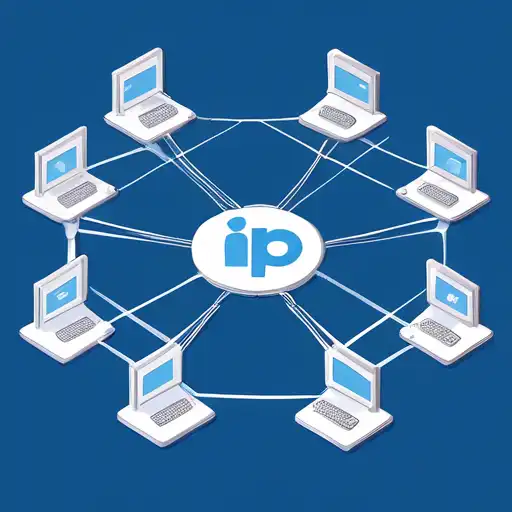
Introduction to IP Addresses
In the vast world of networking, understanding IP addresses is fundamental. An IP (Internet Protocol) address is a unique identifier assigned to each device connected to a network, enabling communication between devices. This guide will walk you through the basics of IP addresses, their types, and their importance in networking.
What is an IP Address?
An IP address is a numerical label assigned to each device participating in a computer network that uses the Internet Protocol for communication. It serves two main functions: identifying the host or network interface and providing the location of the host in the network.
Types of IP Addresses
There are two main types of IP addresses: IPv4 and IPv6. IPv4 addresses are 32-bit numbers, typically displayed in decimal format (e.g., 192.168.1.1), while IPv6 addresses are 128-bit numbers, designed to replace IPv4 due to the exhaustion of IPv4 addresses.
IPv4 vs. IPv6
IPv4 is the most widely used IP version, but its limited address space has led to the development of IPv6, which offers a vastly larger address space. Understanding the differences between these two is crucial for modern networking.
How IP Addresses Work
IP addresses are assigned to devices either dynamically by a DHCP server or statically by a network administrator. They enable devices to locate and communicate with each other on a network, forming the backbone of internet communication.
The Importance of IP Addresses in Networking
Without IP addresses, devices would not be able to communicate over the internet or local networks. They are essential for routing traffic, ensuring data reaches its intended destination efficiently and securely.
Conclusion
Understanding IP addresses is a cornerstone of networking knowledge. Whether you're setting up a home network or pursuing a career in IT, grasping the basics of IP addresses will serve as a solid foundation for further learning.
For more networking basics, check out our guide on Networking Fundamentals.