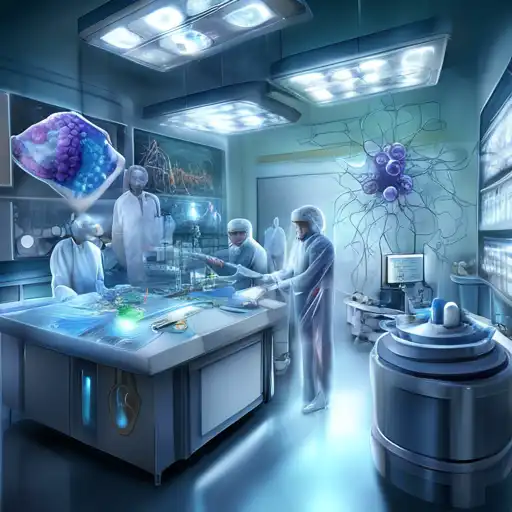
Introduction to Nanotechnology in Medicine
Nanotechnology, the science of manipulating matter at the atomic and molecular scale, is set to revolutionize the medical field. With its ability to operate at the same scale as biological molecules, nanotechnology offers unprecedented opportunities for diagnosis, treatment, and prevention of diseases. This article explores the groundbreaking advancements and potential of nanotechnology in medicine.
The Promise of Nanotechnology in Healthcare
Nanotechnology in medicine, often referred to as nanomedicine, involves the use of nanoparticles to deliver drugs, heat, light, or other substances to specific cells in the body. This precision targeting minimizes damage to healthy cells and maximizes the therapeutic effect, heralding a new era in treatment methodologies.
Key Applications of Nanotechnology in Medicine
- Drug Delivery: Nanoparticles can be engineered to deliver drugs directly to diseased cells, reducing side effects and improving efficacy.
- Diagnostic Techniques: Nanotechnology enhances imaging techniques, allowing for earlier and more accurate diagnosis of diseases.
- Regenerative Medicine: Nanomaterials are being used to repair or replace damaged tissues and organs.
- Cancer Treatment: Targeted nanoparticle therapies are showing promise in treating various types of cancer with minimal side effects.
Challenges and Ethical Considerations
Despite its potential, the integration of nanotechnology into medicine faces several challenges. These include technical hurdles, regulatory issues, and ethical concerns regarding privacy and the long-term effects of nanoparticles on the human body and environment.
Overcoming Obstacles
Researchers are actively working to address these challenges, focusing on improving the safety, efficacy, and scalability of nanomedicine applications. Collaboration between scientists, clinicians, and policymakers is crucial to navigate the ethical and regulatory landscape.
The Future of Nanotechnology in Medicine
The future of nanotechnology in medicine is bright, with ongoing research paving the way for innovative treatments and diagnostic tools. As we overcome current limitations, nanomedicine could become a cornerstone of personalized and precision medicine, transforming healthcare as we know it.
For more insights into the future of healthcare technology, explore our articles on the future of healthcare and precision medicine.
Conclusion
Nanotechnology in medicine represents a paradigm shift in healthcare, offering solutions to some of the most challenging medical issues. While hurdles remain, the potential benefits for patients and the healthcare system are immense. As research progresses, we stand on the brink of a new frontier in medical science.