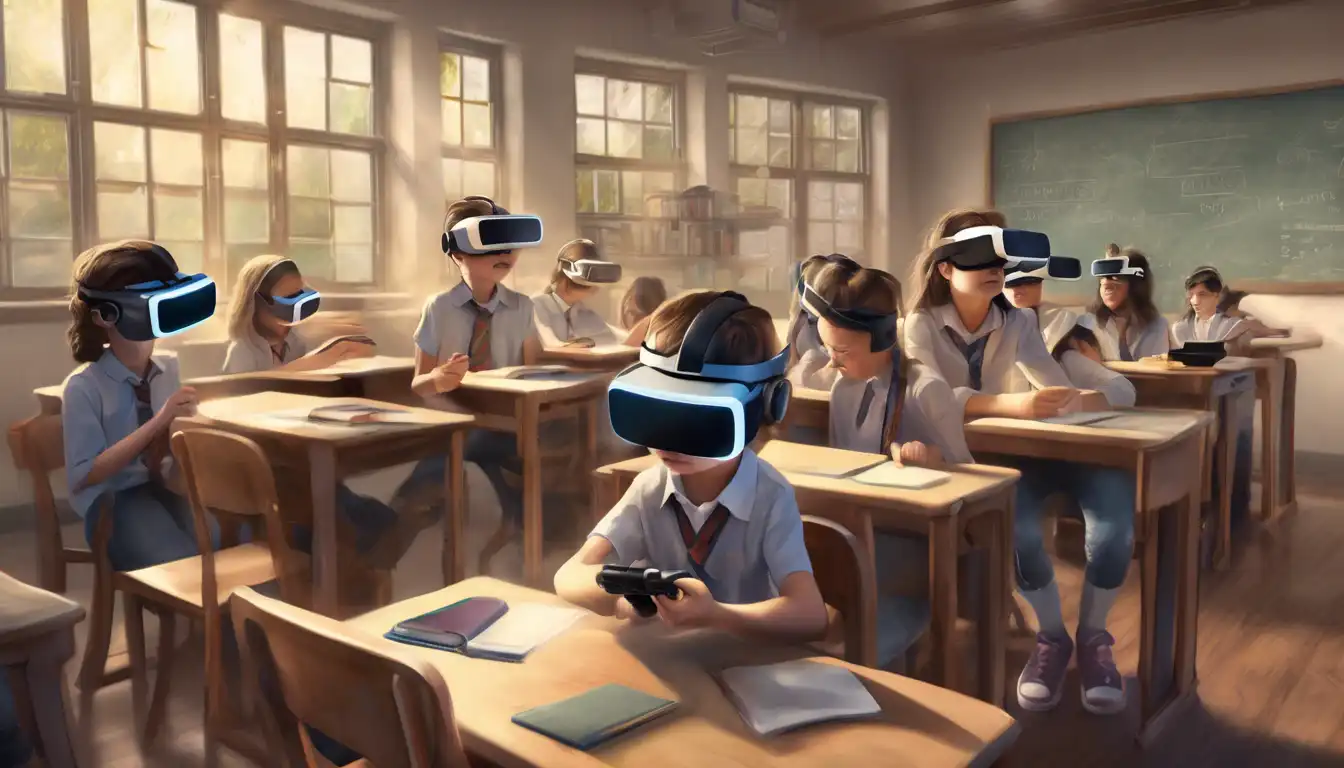
The Transformative Impact of Virtual Reality in Learning Environments
Virtual Reality (VR) technology is revolutionizing the educational landscape, offering immersive learning experiences that were once unimaginable. By simulating real-world environments, VR provides students with the opportunity to explore complex concepts in a hands-on manner, making learning both engaging and effective.
Why VR in Education?
The integration of VR into education opens up new avenues for interactive learning. It caters to various learning styles, ensuring that students grasp difficult subjects through visualization and practice. From virtual field trips to anatomy lessons in 3D, VR makes learning accessible and fun.
Benefits of VR in the Classroom
- Enhanced Engagement: VR captivates students' attention, making learning more interactive and enjoyable.
- Improved Retention: Experiential learning through VR helps in better retention of information.
- Accessible Learning: Students can explore worlds and concepts beyond their physical classroom, breaking geographical and financial barriers.
- Safe Environment: VR provides a risk-free platform for practicing skills, from surgical procedures to mechanical repairs.
Challenges and Considerations
Despite its potential, the adoption of VR in education faces hurdles such as high costs, the need for technical expertise, and concerns over screen time. However, with advancements in technology and decreasing costs, VR is becoming more accessible to schools worldwide.
Future Prospects
The future of VR in education is bright, with ongoing developments aimed at making VR tools more user-friendly and affordable. As educators and technologists collaborate, the potential for VR to transform education is limitless, promising a future where learning is boundless.
For more insights into innovative learning technologies, explore our EdTech Trends section.