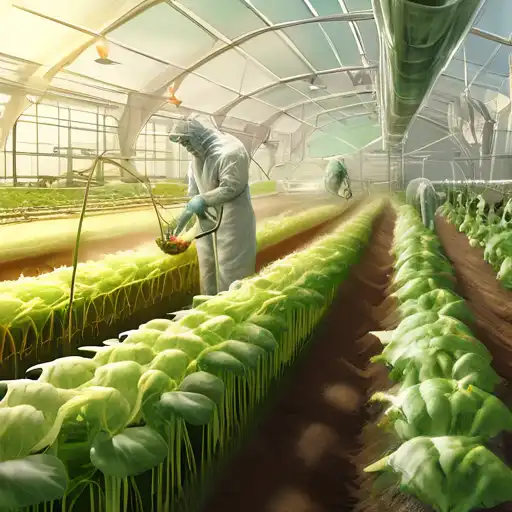
The Role of Biotechnology in Modern Agriculture
Biotechnology has emerged as a cornerstone in the evolution of agriculture, offering innovative solutions to some of the most pressing challenges faced by the sector today. From enhancing crop yields to ensuring food security for the burgeoning global population, biotechnology is paving the way for a sustainable agricultural future.
Understanding Biotechnology in Agriculture
At its core, agricultural biotechnology involves the use of scientific techniques, including genetic engineering, molecular markers, and tissue culture, to modify living organisms: plants, animals, and microorganisms. This modification aims to improve agricultural productivity and sustainability.
Benefits of Biotechnology in Agriculture
The application of biotechnology in agriculture brings forth numerous benefits, including but not limited to:
- Increased crop yields through the development of genetically modified (GM) crops that are resistant to pests and diseases.
- Enhanced nutritional content of crops, addressing malnutrition in vulnerable populations.
- Reduced reliance on chemical pesticides and herbicides, promoting environmental health.
- Improved resistance to abiotic stresses such as drought and salinity, ensuring food production under challenging climatic conditions.
Challenges and Ethical Considerations
Despite its potential, the adoption of biotechnology in agriculture is not without challenges. Concerns over genetic diversity, the dominance of GM crops, and the ethical implications of genetic modification have sparked debates among stakeholders. It is crucial to navigate these challenges carefully to harness the full potential of biotechnology in agriculture.
Future Prospects
Looking ahead, biotechnology holds the promise of revolutionizing agriculture further. Innovations such as CRISPR gene editing and synthetic biology are set to offer more precise and efficient ways to improve crop traits. The integration of biotechnology with other technological advancements, such as precision agriculture, could lead to unprecedented levels of productivity and sustainability.
For more insights into sustainable farming practices, explore our guide on sustainable farming.
Conclusion
Biotechnology in agriculture represents a beacon of hope for feeding the future global population sustainably. By addressing current limitations and embracing ethical considerations, biotechnology can play a pivotal role in ensuring food security and environmental sustainability for generations to come.